




Fields of Activity

Brands















Technical Drawings and Documents
How We Work
Customer Needs
Our goal is to be a company that understands customer needs and expectations in the best way possible, offers them the most appropriate solutions and value propositions through the right channels, delivers a wide range of products and services in the fastest and most effective way, operates with sustainable profitability and efficiency at world standards, and prioritizes customer satisfaction above all else.
MoreDesign
Combining design and manufacturing processes with extensive experience, the CHR brand aims to provide solutions that directly meet its customers' business needs through its unique and limitless design and manufacturing approach, on-time delivery principle, use and development of up-to-date technology, and continuous improvement of all its capabilities.
MoreR&D
We are one of the leading companies that collaborate with our clients operating in the Industrial Manufacturing sector in the development and implementation of prototypes resulting from their R&D efforts. We can partner with strong companies that have a wide range of products in the fields we operate in during the production phase.
MoreProduction
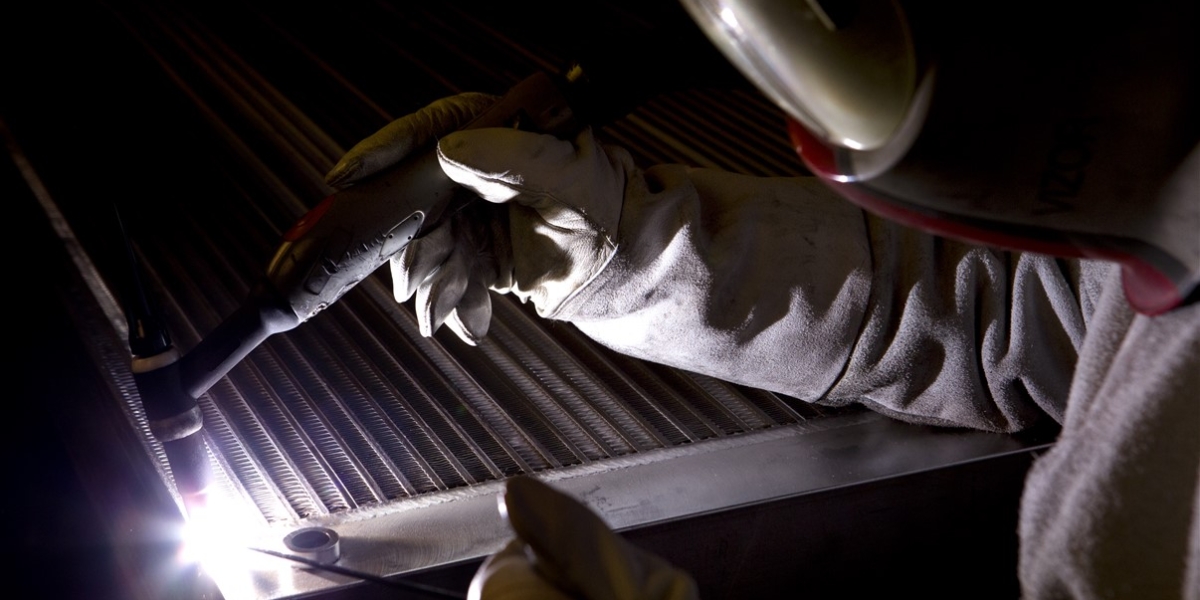
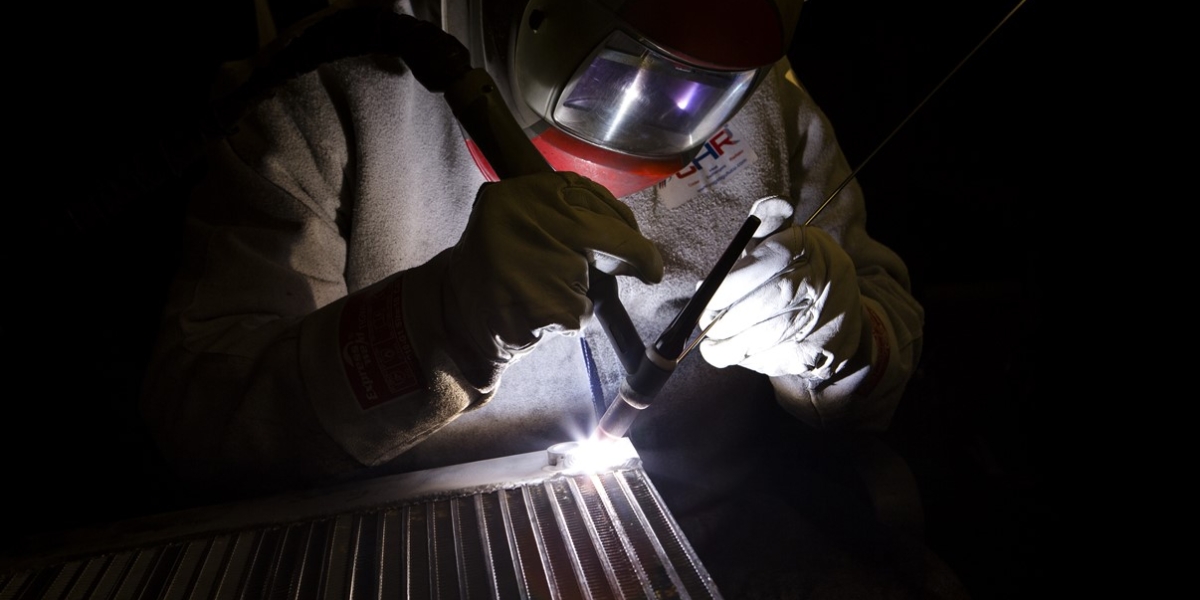
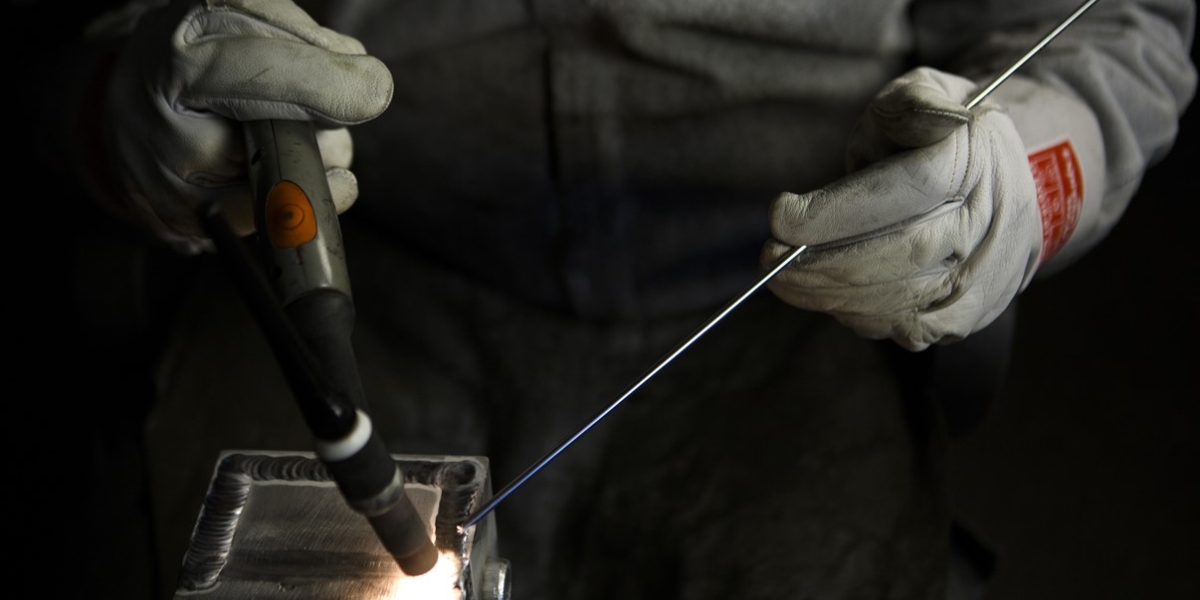
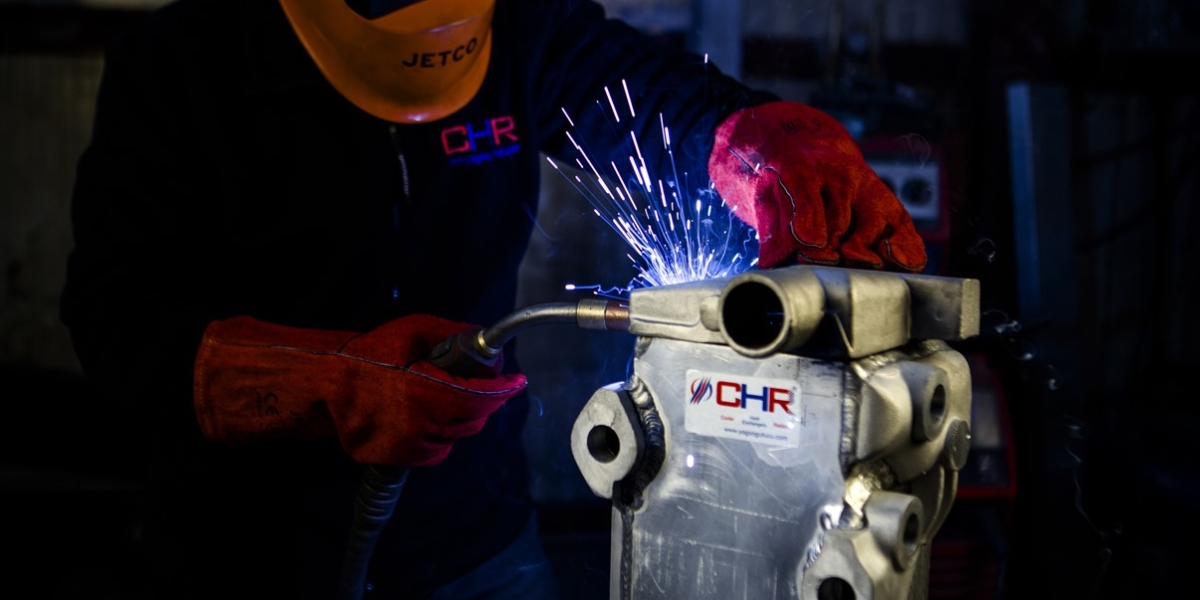
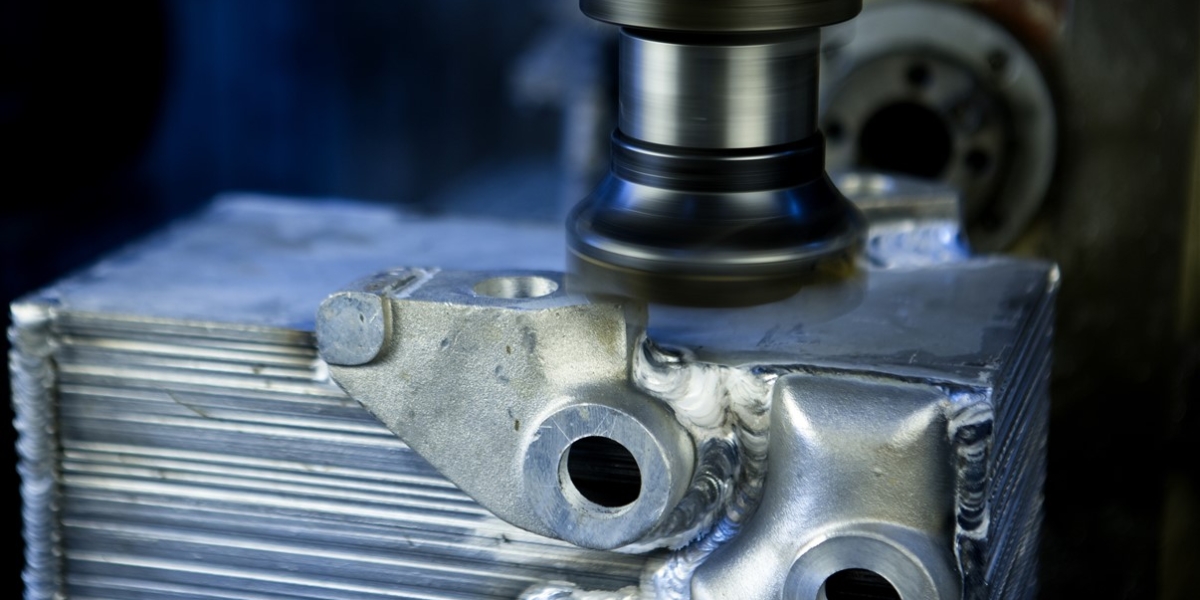
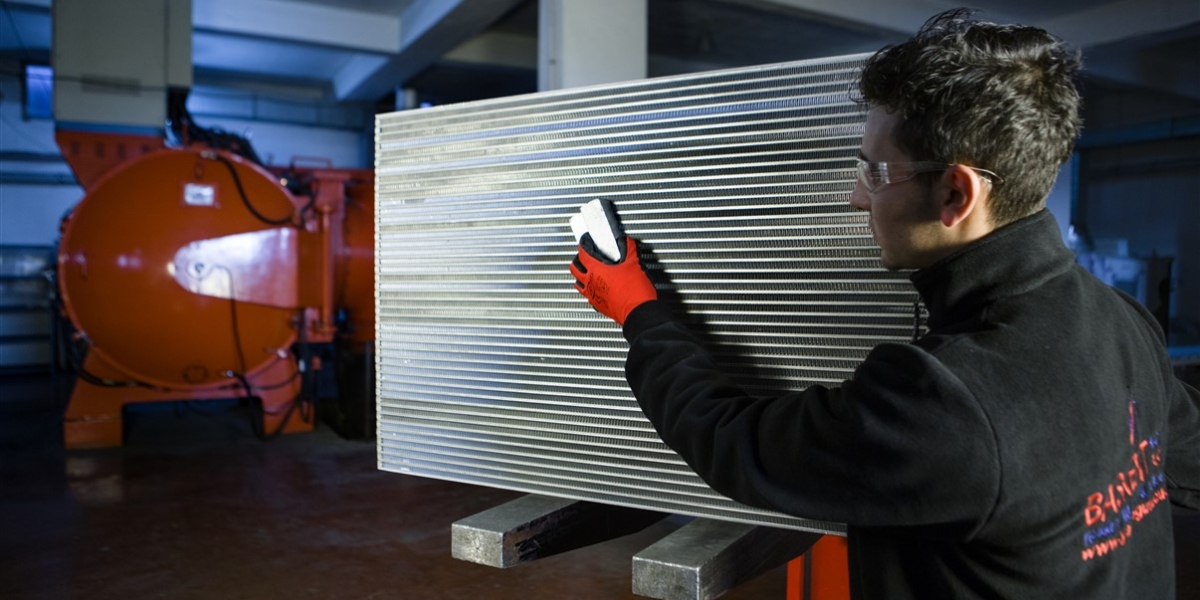
Every step in the production process is controlled by trained and experienced personnel, and products are manufactured using state-of-the-art machinery. The company has one computer-controlled brazing furnace unit and a total of seven state-of-the-art welding machines with high mass production capacity. Additionally, there are two machining centers.
MoreUseful Information
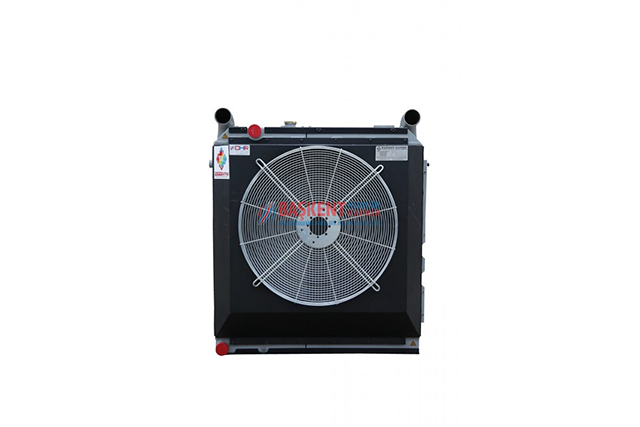
OIL COOLER
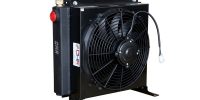
CHR Coolers prevent the energy converted into heat from damaging the hydraulic fluid and the system.
Its compact structure reduces space requirements, weight and installation costs.
Typical Applications;
. Industrial Hydraulic Systems
. Machine Tools
. Hydrostatic Drives
. Gearboxes
. Mobile Hydraulic Systems
. Municipal Vehicles
. Agricultural Machinery
. Plastic Injection Molding Machines
. Hydroelectric Power Plants
. Mining Machinery
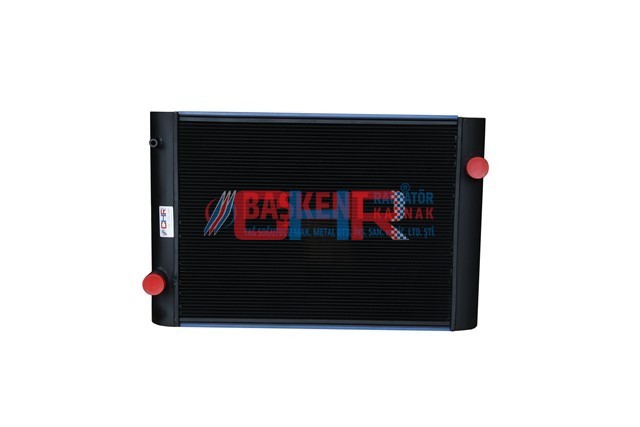
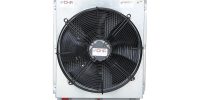
Radiator
A radiator is a device that dissipates and eliminates heat from an engine. It performs the cooling process by holding a maximum amount of water in its channels and allowing a large area to come into contact with the atmosphere. It consists of honeycomb-like channels carrying water, an upper tank that allows water entry, and a lower tank that returns the water to the engine. Some radiators have side tanks; during operation, the water from the engine comes to the upper tank and is distributed to the channels from above. The water loses heat as it flows down the channels due to the incoming airflow.
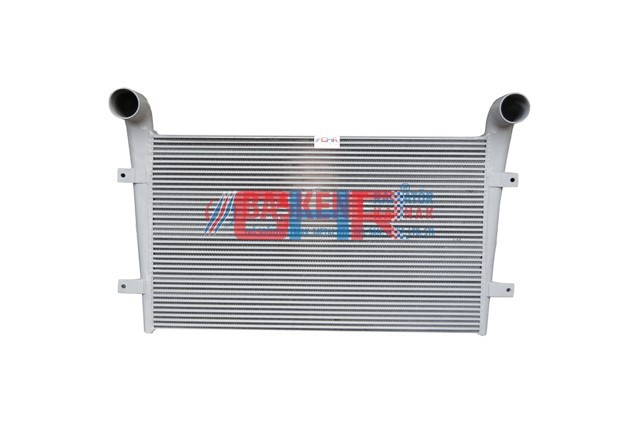
An intercooler/aircooler is an additional cooler used in turbocharged engines to cool the air heated by the compression of the turbocharger. The air, whose pressure is increased by the turbo, is passed through radiator-like fins, cooled again, and then sent to the engine. When the air is cold, the intermolecular spaces are smaller, meaning the number of molecules per unit volume is higher. When the air supplied to the cylinder is cold, more air (oxygen) can fit into the cylinder, thus increasing volumetric efficiency and producing more power. In addition, our company manufactures specially developed fin system and plate bar intercoolers.
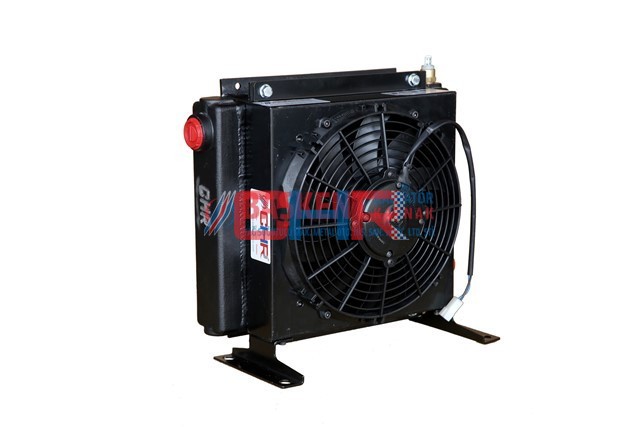
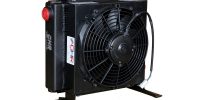
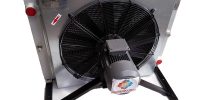
Hydraulic fan oil cooler
Prevents the heat generated from damaging the hydraulic fluid and the system.
Its compact structure reduces space requirements, weight, and installation costs.
12 volt, 24 volt, 220 volt, 380 volt, and hydraulic motor-driven fan oil coolers
Typical Applications;
. Industrial Hydraulic Systems
. Machine Tools
. Hydrostatic Drives
. Gearboxes
. Mobile Hydraulic Systems
. Municipal Vehicles
. Agricultural Machinery
. Plastic Injection Molding Machines
HYDROELECTRIC POWER PLANTS
MINING MACHINERY
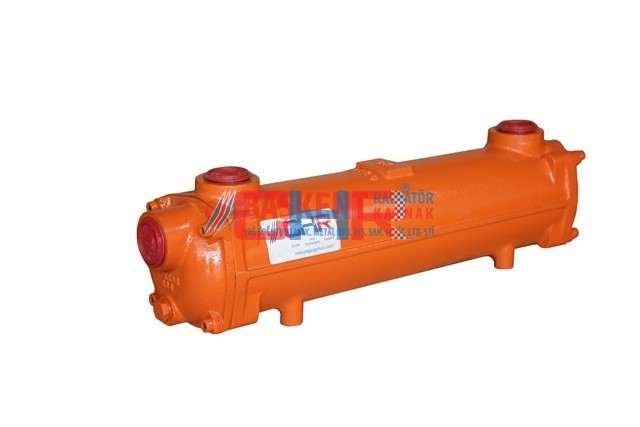
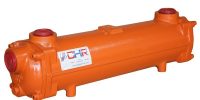
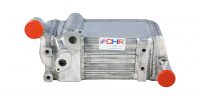
Heat exchangers are devices that allow two or more fluids at different temperatures to transfer heat from one to another without mixing (contacting). Generally, the fluids are separated by a heat transfer surface, thus preventing them from mixing.
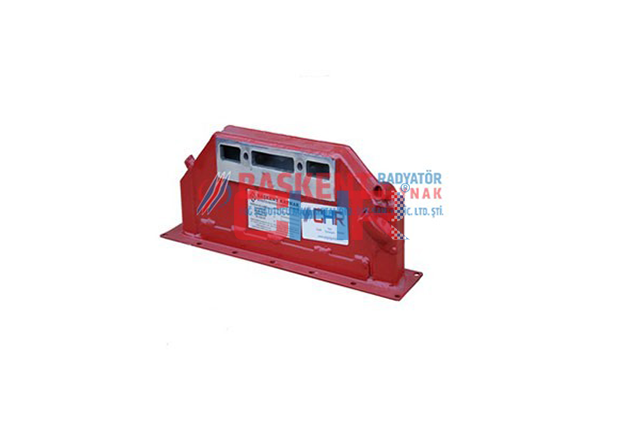
An aftercooler is similar to a radiator system and cools water-cooled engines. It is an efficient system and is generally found in high-performance, power-intensive, and specialized systems. In turbocharged engines, it is an additional coolant used to cool the air heated by the compression of the turbocharger. The air, whose pressure is increased by the turbo, is cooled again by passing water through fins similar to a radiator before being sent to the engine. When the air is cold, the intermolecular spaces are smaller, meaning the number of molecules per unit volume is higher. When the air supplied to the cylinder is cold, more air (oxygen) can fit into the cylinder, thus increasing volumetric efficiency and yielding more power. Furthermore, our company manufactures specially developed fin systems and plate bar aftercoolers.
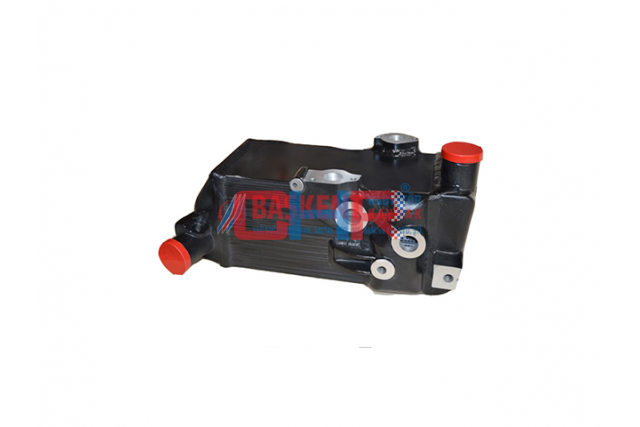
A retarder is essentially a hydrodynamic pressure system that operates with two impellers called a rotor and a stator, located at the end of the driveshaft. In a vehicle, it is activated by a lever under the steering wheel or a system connected to the brake pedal. The rotor is connected to the driveshaft, while the stator is fixed to the retarder housing opposite the rotor. The rotor rotates due to the driveshaft movement from the transmission. When the retarder engages, oil is pumped between the rotor and stator. The oil, moved by the rotor’s rotation, strikes the stator’s fins, slowing it down. This slows the rotor and provides braking. Overheated oil is cooled using a retarder oil cooler (such as a CHR brand) with antifreeze water (heat exchangers).
